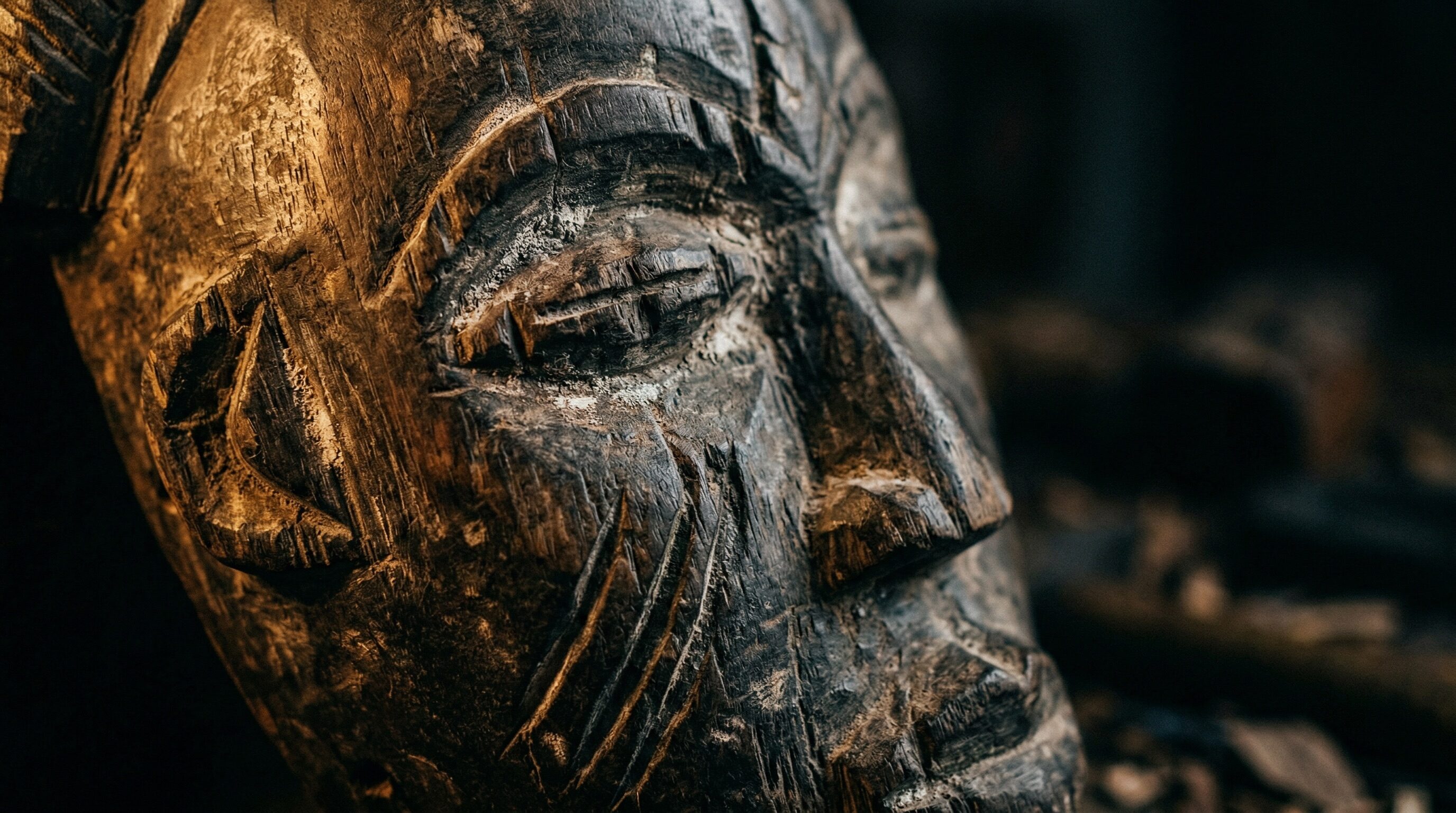
The Art of Teranga
A Senegalese curator. A practice called teranga. And art that arrives the way it was made — with someone's name behind it.
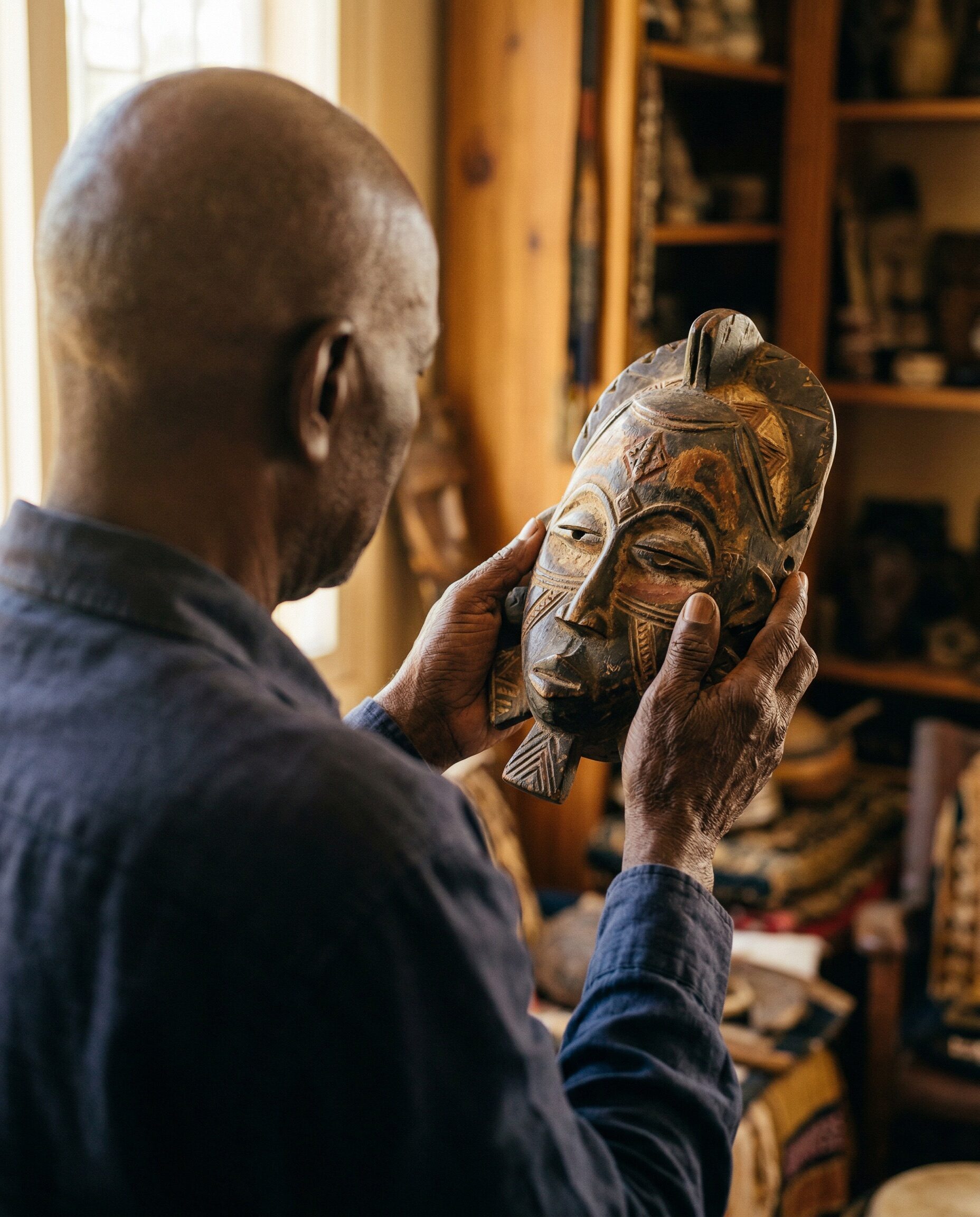
Meet Niang
Born and raised in Senegal, Niang grew up inside the traditions this art comes from. He does not just recognize quality — he understands what each piece carries: its tradition, its craft, its place in a living culture.
Now based in Florida, Niang curates masks, drums, and textiles for collectors and designers who want more than an object — they want the story that lives inside it. His sourcing is teranga in practice: not extracting, but extending a relationship from the artisan's hands to yours.
What is Teranga?
In a Senegalese home, the guest eats first. The bowl is shared. The best portion goes to the person who did not bring it.
This is teranga — not a word for hospitality, but a practice of sacred generosity. It means what you have is incomplete until someone else has shared in it. In Senegal, a community measures its strength not by its most successful member but by its most vulnerable. The stranger at your door is not an interruption. They are the reason the door exists.
Teranga is not something you believe. It is something you practice. It emerged from necessity — from relying on one another in a harsh environment where community support was essential for survival. It encompasses welcoming strangers into your home and including neighbors of a different faith in your celebrations. It is a social contract, not a courtesy.
The chef Pierre Thiam describes it as the way you treat "the other" — the person who is not you — and that person becomes the one to whom you must offer everything you have.
Niang carries this practice into Teranga. Every piece arrives the way a guest is received in Senegal — with the best of what he has to offer, and the full story of where it comes from.
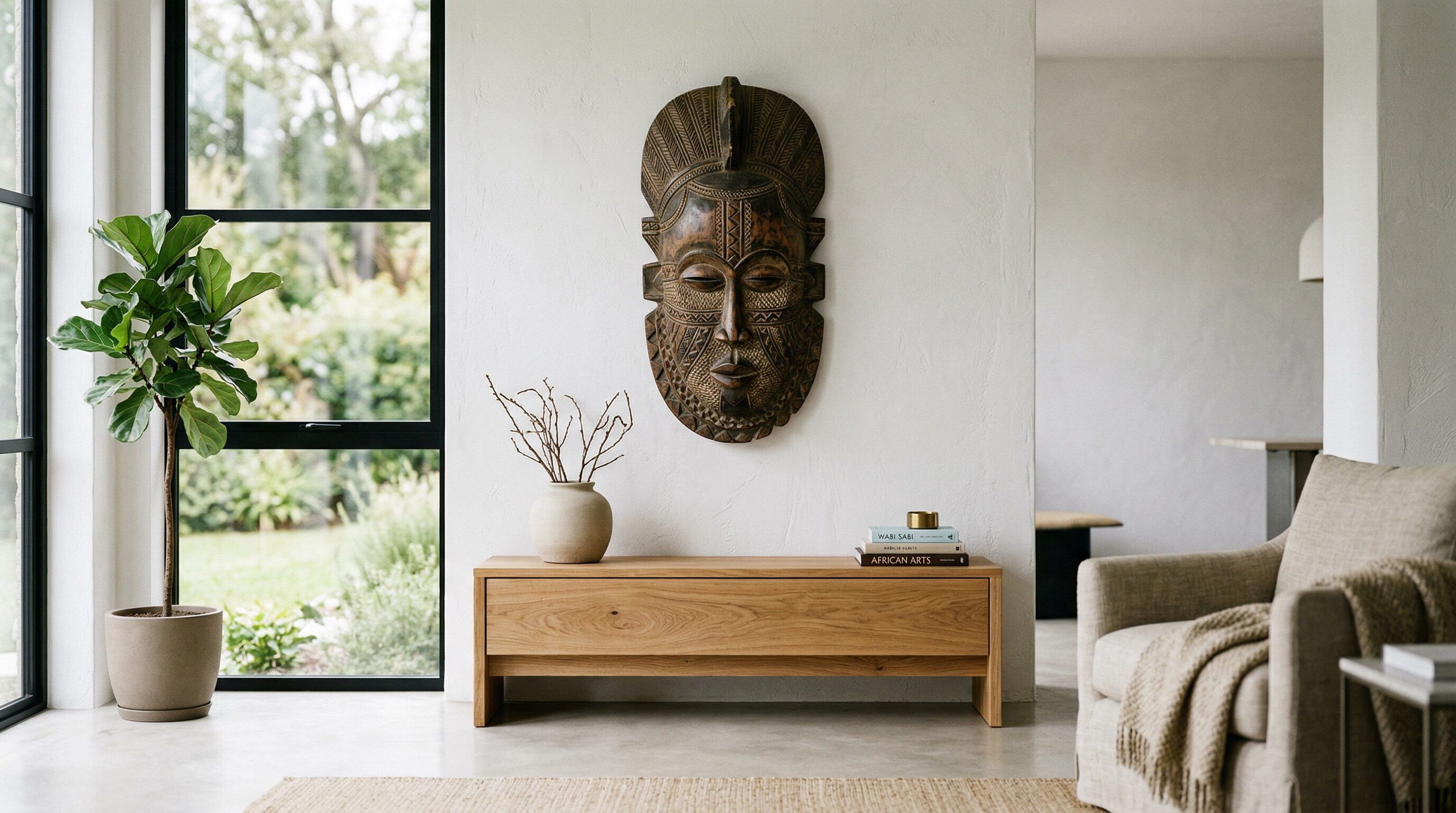
This is how you live with this art.
Bring a Piece Home
Browse the collection or tell Niang what you're looking for.